Cracked Egg Font: Whimsical Design for Creative Projects
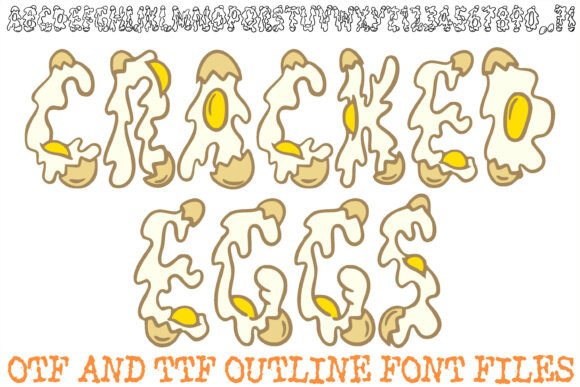
As I sat down to redesign the header for my lifestyle blog, I found myself searching for a font that could capture the playful yet polished vibe of my content. That’s when I discovered Cracked Egg, a whimsical, hand-drawn display typeface that transforms the alphabet into a series of freshly cracked breakfast treats. Its unique visual character and charming personality made it an instant favorite for editorial design projects.
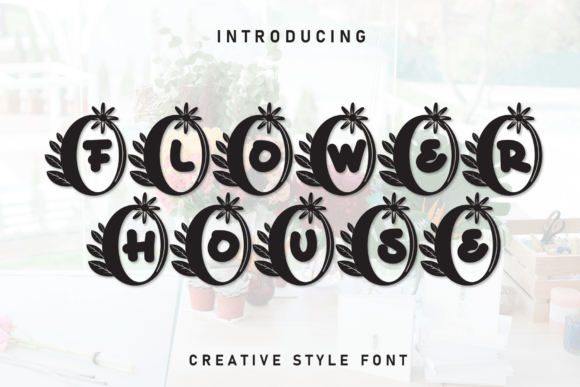
Cracked Egg is more than just a font—it's a narrative in itself. Each letter is creatively illustrated with ovals that resemble cracked eggs, giving the typeface a sense of movement and life. The soft curves and gentle imperfections evoke a feeling of warmth and approachability, making it ideal for content that aims to connect with readers on a personal level. Whether used in a blog title, a magazine cover, or a printable guide, Cracked Egg adds a touch of creativity without overwhelming the reader.
Cracked Egg for Recipe Ebooks and Food Blogs
For a recent recipe ebook project, I wanted a font that would reflect the joy of cooking and the comfort of home-cooked meals. Cracked Egg fit perfectly, offering a playful yet professional look that complemented the content. Its hand-drawn style brought a sense of authenticity to the text, making the recipes feel more personal and inviting.
- Used as a title font for chapter headings
- Applied to pull quotes that highlight key tips
- Integrated into recipe headers for visual interest
The font’s readability on screen and in print made it a reliable choice for both digital and physical formats. Even when scaled down for smaller text, Cracked Egg retained its charm, ensuring that the overall design remained cohesive and engaging.
Cracked Egg for Wedding Guides and Event Branding
When designing a wedding guide for a client, I needed a font that could convey elegance while still maintaining a sense of fun. Cracked Egg provided the perfect balance—its delicate lines and organic shapes gave the design a refined feel, while the playful elements added a touch of whimsy. It was especially effective for section titles and decorative accents, helping to create a visually appealing layout that stood out from traditional wedding fonts.
Pairing Cracked Egg with a clean serif font for body text allowed the design to maintain readability without sacrificing style. This combination worked well for long-form content, such as vendor recommendations and planning checklists, where clarity was essential.
Cracked Egg for Digital Magazines and Newsletter Graphics
As I prepared to launch a new digital magazine, I explored various fonts to find one that could serve as a strong visual anchor for the publication. Cracked Egg proved to be an excellent choice for headlines and cover text, offering a distinctive look that set the magazine apart from others in the same niche.
Its versatility allowed me to use it in different sizes and contexts, from large headlines to subtle decorative elements. The font’s ability to adapt to various layouts made it a valuable asset in creating a consistent brand identity across multiple platforms.
Cracked Egg for Coaching Workbooks and Printable Planners
For a coaching workbook aimed at self-improvement, I wanted a font that could inspire and motivate while still being easy to read. Cracked Egg provided the perfect solution, blending creativity with clarity. Its soft, hand-drawn appearance added a personal touch to the content, making the workbook feel more like a thoughtful guide than a standard template.
I used Cracked Egg for section titles, motivational quotes, and callout boxes, which helped to break up dense text and keep the reader engaged. When paired with a simple sans serif font for body copy, the design maintained a professional tone while still feeling approachable and friendly.
Cracked Egg for Editorial Layouts and Content Branding
When working on an editorial feature page for a creative blog, I experimented with using Cracked Egg as a primary font for headlines and subheadings. Its expressive style added a layer of visual interest that made the content more dynamic and memorable. The font’s ability to stand out without distracting from the message made it an ideal choice for this kind of project.
One of the most valuable aspects of Cracked Egg is its ability to support visual hierarchy. By using it selectively for key elements, such as article titles and pull quotes, I was able to guide the reader’s eye through the content in a natural and intuitive way. This helped to enhance the overall reading experience, making the layout more engaging and easier to navigate.
Cracked Egg for Social Media Graphics and Web Design
In addition to print and digital publications, I also tested Cracked Egg for social media graphics and web design. Its bold, stylized letters made it an effective choice for banners, buttons, and other interactive elements. The font’s unique shape and texture added a level of visual appeal that made the designs more eye-catching and memorable.
For web design, I used Cracked Egg sparingly, applying it to headers and navigation menus where it could make a strong visual impact without compromising usability. The font’s legibility on screens ensured that it remained readable even at smaller sizes, making it a practical choice for online content.
Cracked Egg for Print Materials and Packaging Design
Finally, I explored how Cracked Egg could be used in print materials such as business cards, brochures, and packaging. Its hand-drawn aesthetic gave the designs a custom, artisanal feel that aligned well with the brand’s identity. The font’s flexibility allowed it to be used in both large and small formats, making it a versatile option for a wide range of applications.
When considering commercial font licensing, I made sure to review the terms carefully, as the font would be used in paid publications and client projects. The availability of different styles and file formats made it easy to integrate into existing design workflows, ensuring that the font could be used effectively across multiple platforms.